

Dubai is known for its modern buildings, luxury homes, and well-designed outdoor spaces. As more homeowners and businesses look for greener surroundings, landscaping has become an important part of property design.
Good landscaping can turn a plain outdoor area into a useful and attractive space. It can provide areas for relaxing, dining, playing, or entertaining guests. Villa gardens, rooftops, hotel courtyards, and business spaces can all benefit from a good landscape plan.
Professional landscaping services in Dubai can help create outdoor areas that match the property. A good plan should also consider Dubai’s climate, water use, plant choice, and future maintenance.
What Do Landscaping Services in Dubai Include?
Landscaping is about more than planting flowers and trees. A full project can include design, planting, irrigation, hardscaping, lighting, and garden care.
Depending on the property, landscaping services may include:
- Landscape design and planning
- Garden planting and installation
- Irrigation systems
- Lawn and turf installation
- Walkways and hardscaping
- Outdoor lighting
- Vertical gardens and green walls
- Water features
- Garden maintenance
The right mix of services will depend on the size of the property, its use, budget, and design goals.
Landscape Design for Modern Properties
Modern landscaping often uses clean lines and simple layouts. It creates a balance between plants and built features.
For example, a modern villa may have a lawn, paved paths, planting beds, and an outdoor seating area. A business property may use plants around entrances and walkways to create a neat and welcoming look.
The design should also match the way people use the space. A family garden may need open areas for children. A hotel or restaurant may need more seating and clear paths for guests.
Landscaping for Dubai Villas
Villa landscaping can turn outdoor areas into useful extensions of the home. Gardens, courtyards, terraces, and pool areas can all be planned for comfort and style.
Popular features for villa gardens include:
- Swimming pool areas
- Outdoor dining and seating
- Garden paths
- Privacy plants
- Feature trees and shrubs
- Lawns and planting beds
- Pergolas and shaded areas
- Outdoor lighting
The design should work with the home’s style. It should also provide enough space for daily use and outdoor gatherings.
Commercial Landscaping Solutions
Commercial properties need outdoor spaces that look good and are easy to use. Offices, hotels, restaurants, schools, shops, and other businesses can benefit from good landscaping.
Plants and hardscape features can be used around entrances, paths, parking areas, courtyards, and terraces. They can also help guide visitors through the property.
Durability is important for commercial areas. These spaces may have heavy foot traffic and need to stay attractive with regular use.
Choosing Plants for Dubai’s Climate
Dubai has a hot and dry climate. This makes plant selection an important part of landscape planning.
Some plants may struggle with high heat, strong sunlight, and low rainfall. A good landscape plan should consider:
- Sunlight levels
- Heat tolerance
- Water needs
- Soil conditions
- Wind exposure
- Growth rate
- Maintenance needs
Climate-friendly plants can often be a practical choice for Dubai. Drought-tolerant plants may also help reduce water use when they are selected and cared for properly.
Efficient Irrigation Systems
Water is an important part of landscaping in Dubai. A good irrigation system can give plants the water they need without wasting large amounts.
Drip irrigation can work well for trees, shrubs, and planting beds. It sends water close to the plant roots. Automatic controls can also help manage watering times.
A good irrigation plan should consider:
- Plant water needs
- Garden size
- Sun exposure
- Soil type
- Irrigation zones
- Seasonal changes
Regular checks are also important. Broken pipes, blocked outlets, or wrong settings can waste water and harm plants.
Hardscaping and Outdoor Features
Hardscaping includes the non-plant parts of a landscape. These features help divide the space and connect different areas.
Common hardscape features include:
- Walkways
- Patios and terraces
- Retaining walls
- Decorative stone
- Outdoor seating
- Pergolas
- Garden borders
- Driveways
Materials should match the property’s design. They should also be strong enough for outdoor use.
A good mix of plants and hardscape features can make a garden feel balanced and useful.
Modern Garden Lighting
Outdoor lighting can make a garden more useful after dark. It can also highlight plants, paths, seating areas, and other features.
Path lights can make it easier to move around the garden. Soft lighting can highlight trees and other focal points without making the space too bright.
Lighting should be planned early in the project. This makes it easier to place cables, lights, and power points in the right locations.
Vertical Gardens and Green Walls
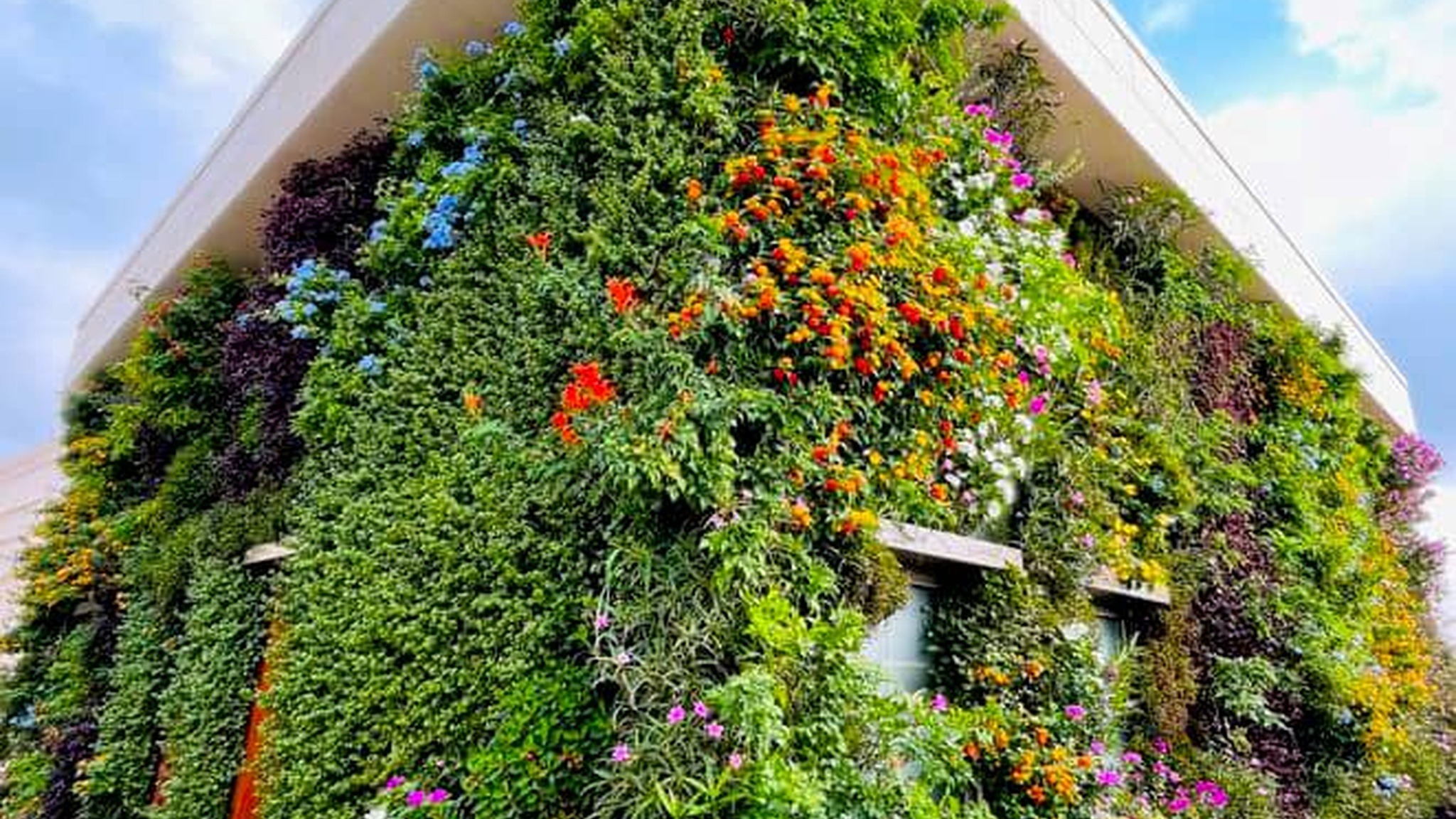
Vertical gardens are useful when ground space is limited. They allow property owners to add greenery without using much floor space.
Green walls can be used in balconies, courtyards, offices, restaurants, and outdoor areas. They can use living plants, artificial greenery, or preserved plant materials.
Vertical gardens can also create strong feature walls. This makes them useful for both residential and commercial properties.
Sustainable Landscaping Approaches
Modern landscaping can focus on saving water and reducing waste. Sustainable design does not mean giving up a stylish garden.
It means making smart choices about plants, water, materials, and maintenance.
Some useful approaches include:
- Choosing drought-tolerant plants
- Using efficient irrigation
- Grouping plants by water needs
- Choosing durable materials
- Reducing large lawn areas
- Using shade where possible
- Keeping soil healthy
These steps can make a landscape easier to manage. They may also help reduce unnecessary water use.
Garden Maintenance and Aftercare
A good landscape needs regular care. Plants need the right amount of water, pruning, nutrients, and pest control to stay healthy.
Regular garden care may include:
- Lawn mowing
- Hedge trimming
- Seasonal pruning
- Irrigation checks
- Weed removal
- Plant replacement
- Pest checks
The level of care depends on the type of landscape. A small home garden may need less work than a large commercial property.
Regular maintenance can also help spot problems early. This may prevent small plant or irrigation issues from becoming costly repairs.
How to Plan a Landscaping Project
A landscaping project should start with a clear look at the property. The design team needs to understand the space, existing features, climate, and goals.
The process may include:
- Site assessment: Check the layout, soil, sunlight, drainage, and existing plants.
- Design planning: Create a design based on how the space will be used.
- Plant and material selection: Choose suitable plants, materials, irrigation parts, and lights.
- Installation: Prepare the site and install the planned features.
- Irrigation and finishing: Complete watering systems, lighting, planting, and final details.
- Maintenance planning: Set up a care plan for the finished landscape.
Good planning can reduce changes during the project. It can also help create a space that meets the owner’s needs.
How Much Maintenance Does a Landscape Need?
Maintenance needs vary from one property to another. A garden with large lawns, many plants, water features, or living walls may need more care.
A simple garden with hardscaping and drought-tolerant plants may need less attention.
Think about maintenance before choosing the final design. A garden that looks great but needs more care than you can provide may become hard to manage.
Choosing the right plants and using an efficient irrigation system can make garden care easier.
Final Thoughts
Modern landscaping can turn outdoor areas into attractive and useful spaces. Villa gardens, business entrances, green walls, seating areas, and planting beds can all add value to a property.
Good landscaping involves more than choosing attractive plants. Property owners should also think about climate, water use, maintenance, space, and the way the area will be used.
With good planning and the right installation, a landscape can stay attractive and easy to manage for years.
If you are planning a new garden or want to improve an existing outdoor area, Vertical Gardens Dubai can help you explore suitable landscaping options for your property.
Frequently Asked Questions
1. What do landscaping services in Dubai usually include?
Landscaping services may include garden design, planting, irrigation, lawns, hardscaping, outdoor lighting, vertical gardens, water features, and garden care. The exact services depend on the property and project needs.
2. What plants are suitable for landscaping in Dubai?
Plants should be chosen based on Dubai’s heat, sunlight, soil, and water conditions. Drought-tolerant and climate-friendly plants can be good choices for outdoor areas when they are properly planted and maintained.
3. How can landscaping reduce water use?
Efficient irrigation can help reduce water waste. Drought-tolerant plants can also need less water. Grouping plants with similar water needs can make irrigation more efficient.
4. Is professional landscaping suitable for small properties?
Yes. Landscaping can be planned for small villas, balconies, courtyards, rooftops, and other compact spaces. Vertical gardens, planters, and small planting beds can help use limited space well.
5. How often does a landscaped garden need maintenance?
It depends on the plants, lawn size, irrigation system, and overall design. Common tasks include watering, pruning, mowing, fertilising, pest checks, and irrigation inspections. The schedule can be adjusted to suit the property.